
Brooklyn Bridge: An Example of a Walkable Urban Space
The Brooklyn Bridge is an example of good pedestrian design. Here, I write about my experience walking the bridge back in 2008. I hope more city planners can create more spaces such as this!
SPACE
Richard Lasam
3/12/20263 min read
Given the latest global event of the war between the United States of America and Israel against Iran, fuel prices are starting to rise and affect every aspect of everyday life. The transportation and energy sectors will certainly begin to bite the financial resources of everyone across the globe as this war continues indefinitely.
That is why reducing fuel consumption will be something everyone can do during these times. If an urban space is walkable, naturally more people will walk rather than take vehicular transport to go places, effectively controlling the amount of fuel being used in an urban area. Not only is walking a very healthy habit to have, it also helps you see and explore more places than you would have seen if you just take a tourist bus or train around.
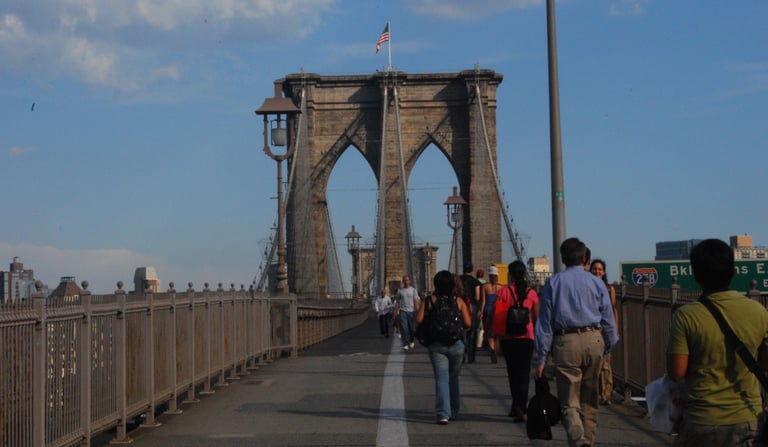
During my trip to the United States in 2008, I took the time to visit Brooklyn Bridge and I was pleasantly surprised that it was actually pedestrian friendly.


While it is indeed quite a walk to do (maybe more than 1.8 kilometers?), it is an experience to walk it at least once when you visit New York City.
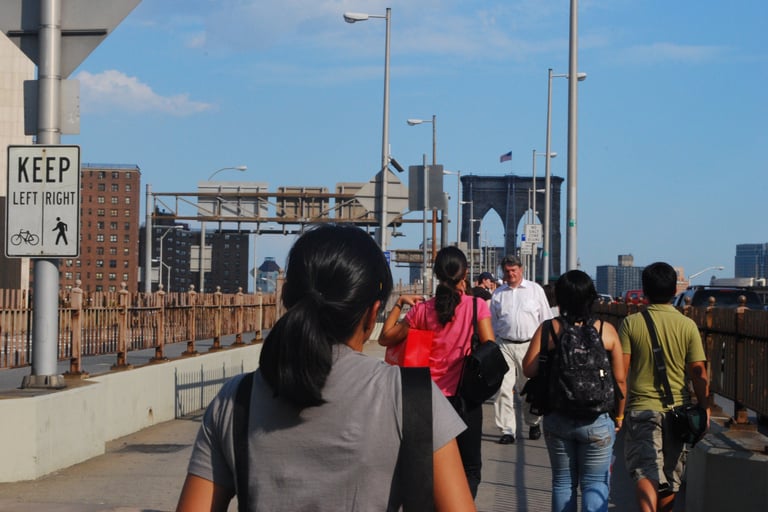
As you can see once you begin the walk, there are clear signages and markers for pedestrian and bicycle travel. The access for pedestrians is also easy to go to and navigate.
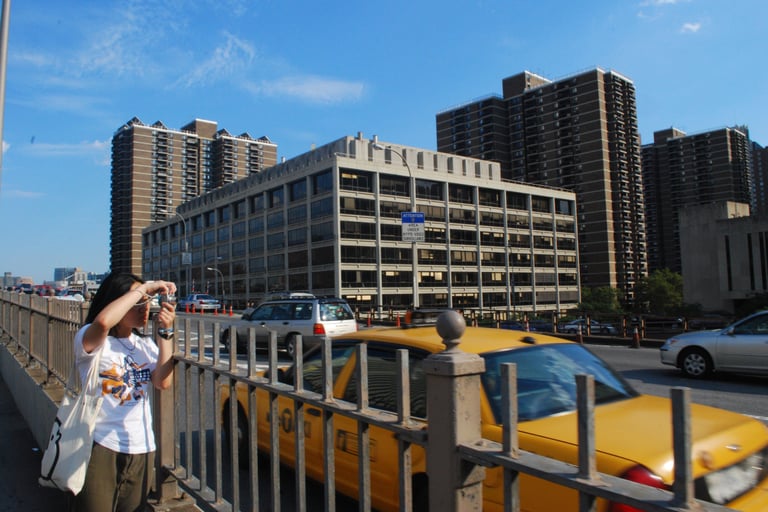
There are also plenty of safety barriers to separate pedestrians from vehicular traffic going to the bridge. Photographers are also able to take snaps of the place.
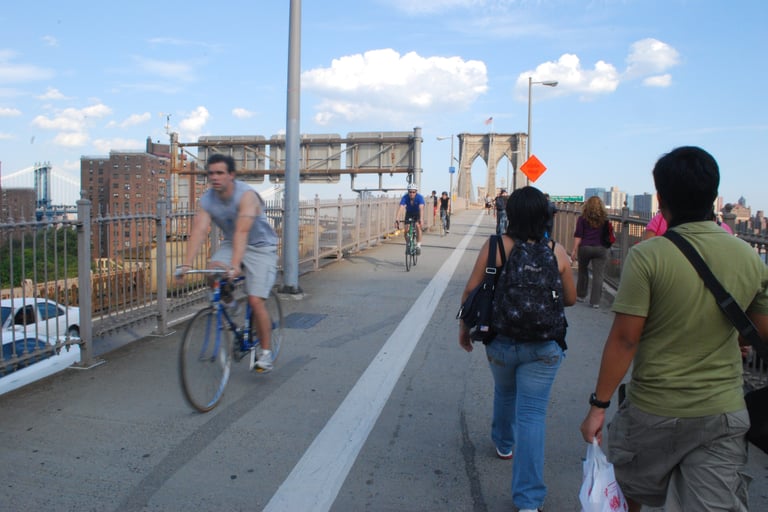
Bicycles are given a proper lane and space that allows both cyclists and pedestrians occupy the same space properly.
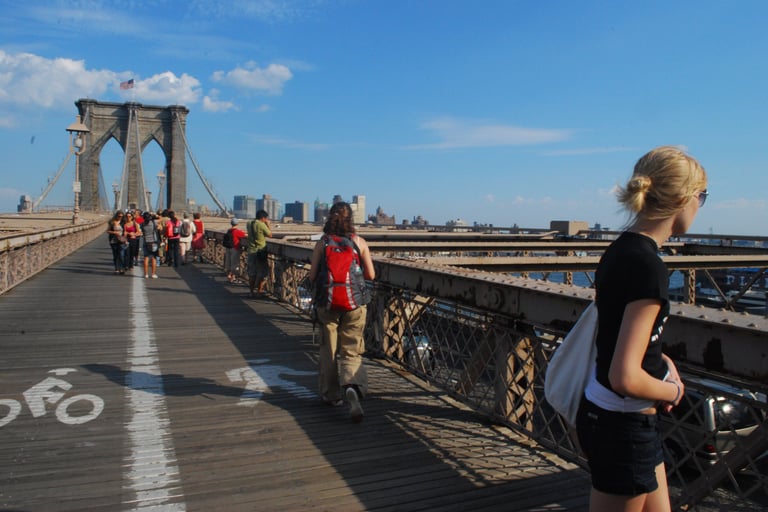
What I like about the bridge is that the pedestrian and bicycle lanes are elevated above the vehicular traffic, making the bridge safer for all users.
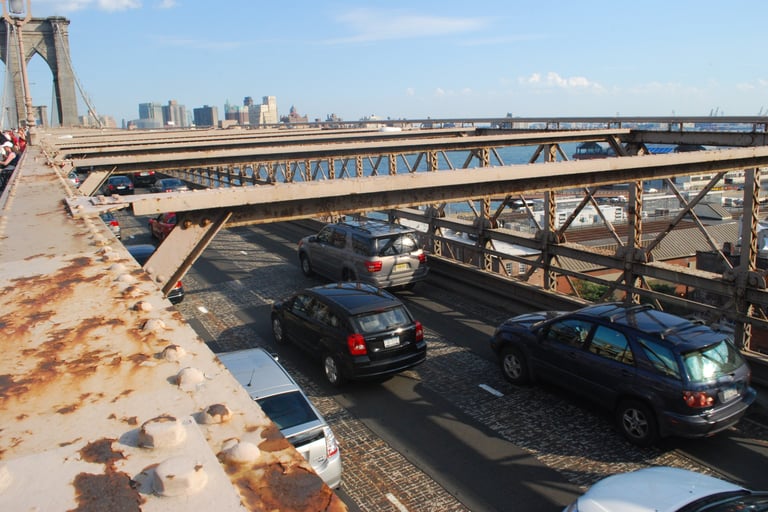
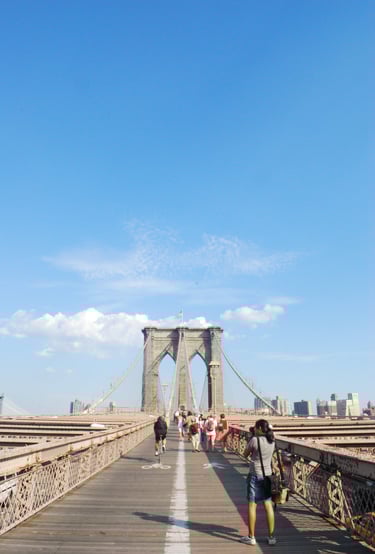
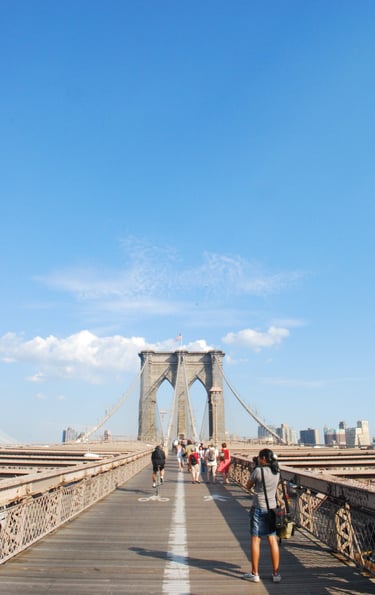
The views are amazing of course, perfect for photographers.
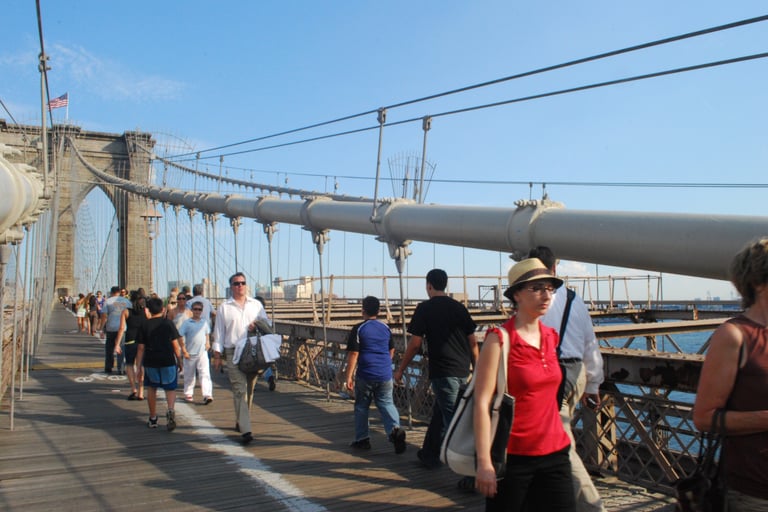
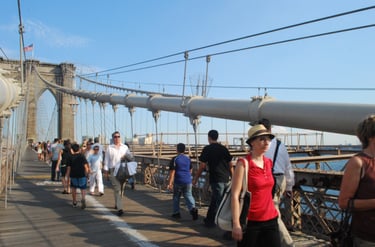
I particularly like that the structural elements of the bridge can be seen and appreciated. The number of pedestrians on the bridge also indicate that walking is a viable option for many citizens of New York City rather than bringing a car out.
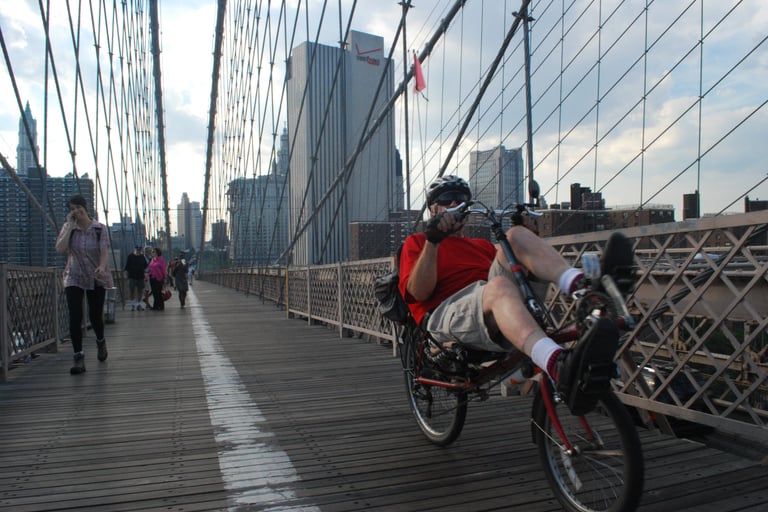
Even other forms of bicycle transport can use the bridge.
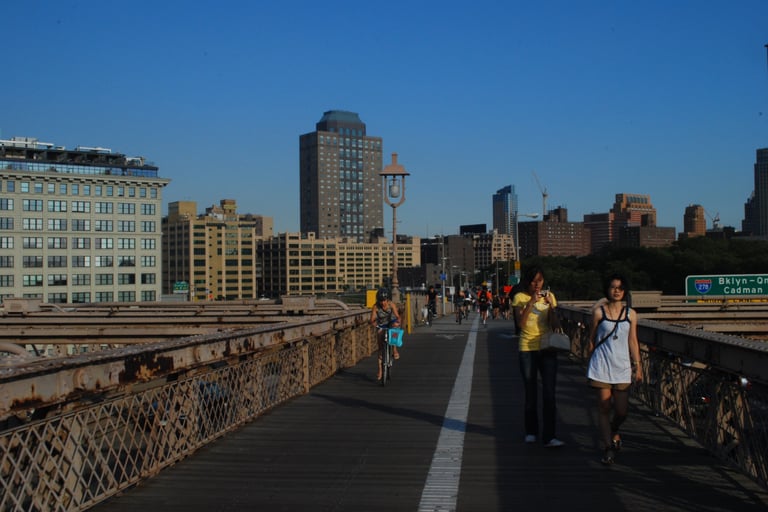
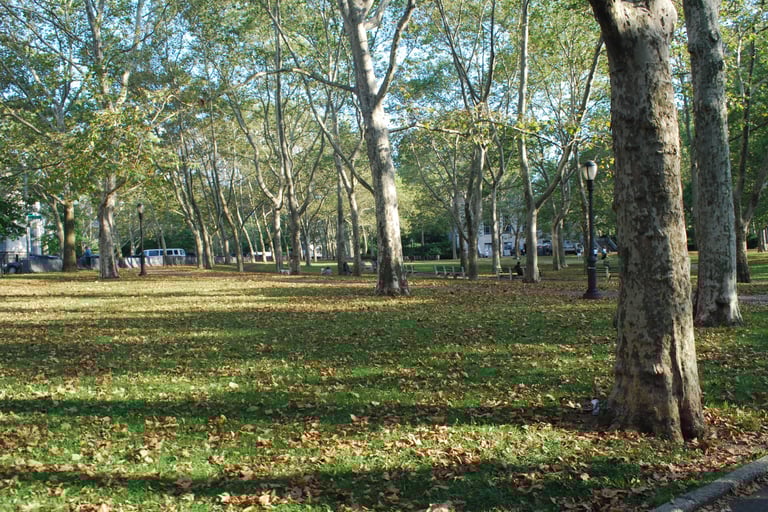
The other side of the bridge (since I came from the Manhattan side) is also a park to complete the experience.
Walking this bridge back then makes me both nostalgic, happy, and a little sad actually; in my country, there is a great need for better walkable spaces and bridges that when I am able to experience a space that succeeds in designing for pedestrians, I hope than one day such spaces will be designed in the Philippines as well.
Some positive news in this direction have been realized, such as parts of the Pasig River being rehabilitated to a walkable space, more places should begin to be updated in this manner.
For more articles on walking, you can read about “The Walkability Test,” or my insights about New York City’s park called the High Line.